
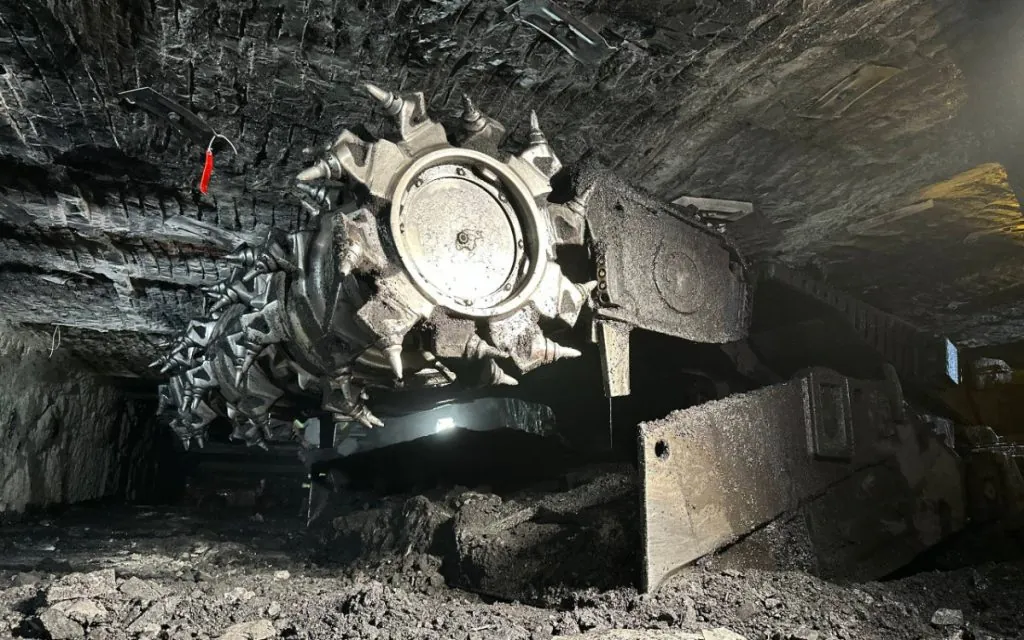
Underground, the most dangerous place is often the closest one. Miners working around continuous mining machines, shuttle cars and scoops operate in tight entries, low light and constant noise, often within a few feet of equipment that can pivot, tram or swing without warning. For decades, pinning, crushing and striking accidents have been among the most serious hazards in underground coal.
The numbers behind that risk are why proximity detection exists. When MSHA finalized its proximity detection rule for continuous mining machines in January 2015, the agency counted 75 preventable pinning, crushing and striking fatalities in underground coal from 1984 through 2013. Thirty-four of them involved continuous mining machines.
What proximity detection does
A proximity detection system creates electronic zones around a machine and tracks miners wearing a personal component. When someone enters a zone, the system warns them and the operator. If they move closer, it can stop the machine’s movement before it contacts them.
Under MSHA’s rule, continuous mining machines in underground coal mines must stop tramming and conveyor swing before contacting a miner, provide audible and visual warnings on the miner-wearable device and a visual warning on the machine, and be checked at the start of every shift.
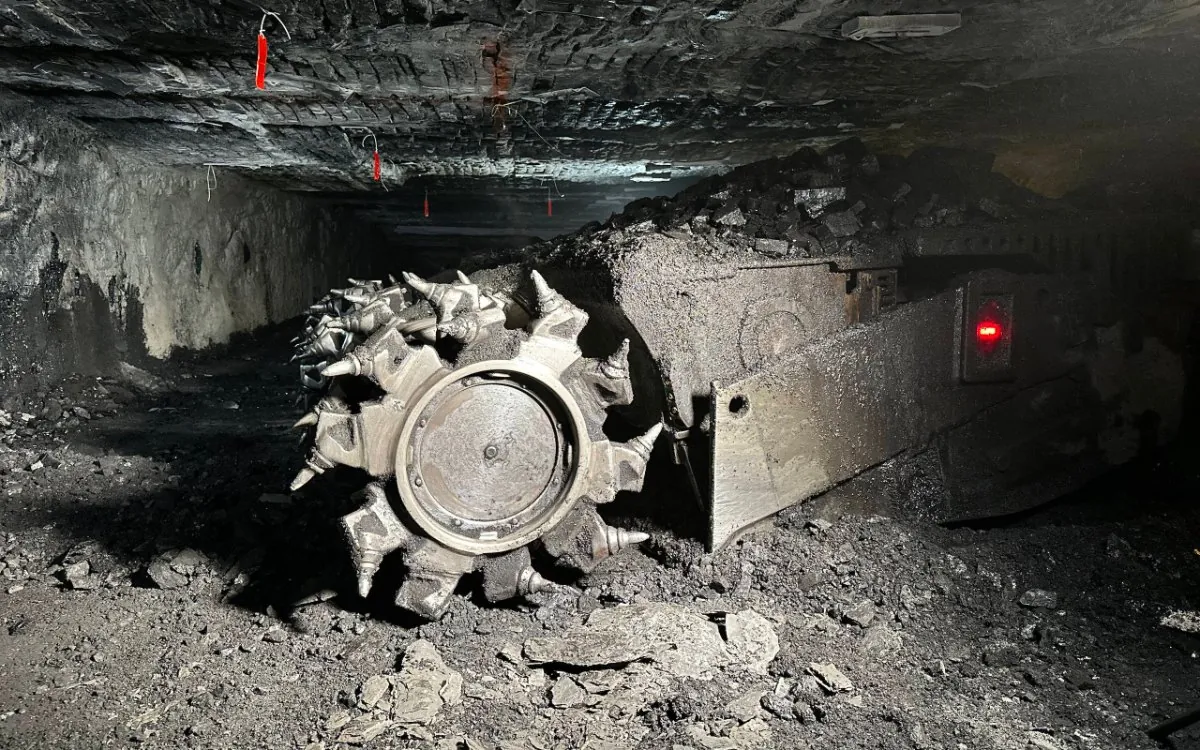
Why precision matters
Meeting the rule is the starting point. Whether a system actually protects people every shift depends on something harder to measure: whether crews trust it.
The problem with blunt, oversized zones is nuisance alerts. A continuous miner operator has to work close to the machine. If the system stops production every time they’re standing where they’re supposed to be, crews lose confidence and look for workarounds, and the protection starts to erode.
Matrix introduced IntelliZone® to underground coal in 2008, and it was built around that problem from the start:
- Shaped, adjustable zones that follow the machine, so operators can stay close and remain in a safe area.
- Tiered responses that move from caution and operator alerts to shutdown as a miner gets closer.
- Support for standard and articulating machines, where pinch points change as the machine moves.
- Fewer false alarms, so a warning means something when it sounds.
IntelliZone’s approach earned a NIOSH Safety and Health Technology Innovation Award in 2021, and the system is IECEx certified for underground coal in Australia.
Built where it’s used
As a subsidiary of Alliance Resource Partners, Matrix develops and validates its technology alongside active underground and surface operations. That proximity to the face shapes how we design: if a system doesn’t hold up through a full production shift, with mud, dust, crowded sections and tired crews, it doesn’t leave the shop.
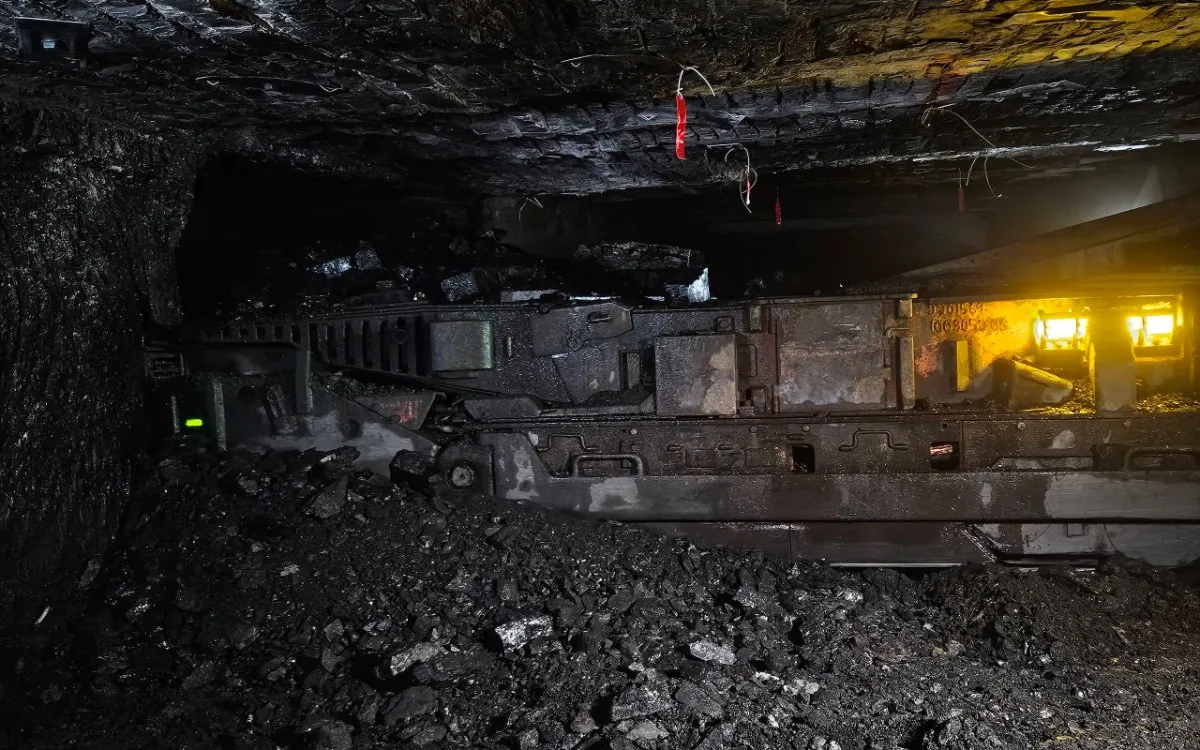
“Every mine rescue team we met this year trains for the worst day underground. Proximity detection exists so fewer crews ever have that day. But it only works if the miners on the section trust it. If it’s stopping the machine when they’re standing exactly where they should be, they’ll find a way around it. Our job is to make the zones precise enough that every warning means something.”
Casey Clark, Account Manager, Matrix Design Group
What to ask of your proximity system
Whether you’re upgrading an existing system or extending protection to more of your fleet, these are the questions worth asking:
- How often does it alarm when nobody’s at risk? Ask your crews, not just the data.
- Can the zones be shaped to your machines and your mining method? One-size zones create one-size problems.
- Does it cover articulating equipment? Pinch points shift as the machine turns.
- Is the shift check quick and reliable? Pre-shift checks only work if they’re easy to do right.
- Who supports it in the field? Technology is only as good as the people keeping it running.
To talk with our mining team about proximity detection, visit matrixteam.com or contact us.